How Did Iran's Leader Shape 2026?
Key points
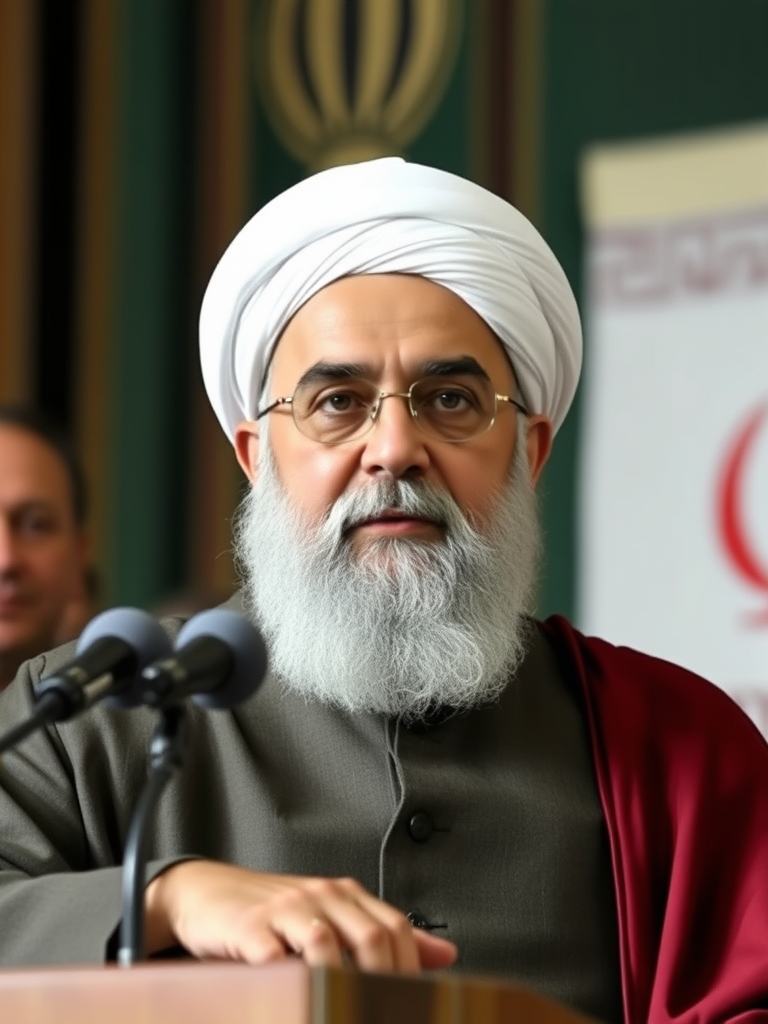
Ali Khamenei rose from a clerical background to become Iran's Supreme Leader in 1989, consolidating power through the Revolutionary Guards, suppressing internal dissent, and pursuing regional influence, which culminated in open conflict with the U.S. and Israel by 2026.
Key takeaway
The trajectory of Iran under Supreme Leader Ali Khamenei, from the 1979 Revolution through the 2026 regional conflict, demonstrates the consolidation of a theocratic state defined by internal repression and external confrontation. His rise from clerical student to supreme leader, sustained by the Revolutionary Guards, created a system resilient to domestic dissent but perpetually at odds with international adversaries. The 2026 explosion of tensions with the U.S. and Israel represents the culmination of decades of ideological and strategic positioning, revealing a nation whose domestic control and foreign policy are inextricably linked, leaving a legacy of entrenched power and persistent regional instability.
Early Life and Rise to Power
Ali Khamenei was born in 1939 in the religious city of Mashhad. From a clerical family, he studied Islamic theology and became a follower of Ayatollah Ruhollah Khomeini. He joined the movement against the Shah, was arrested several times, and endured years of surveillance and exile. The 1979 Revolution transformed his life. Following the monarchy's fall and the birth of the Islamic Republic, Khamenei quickly entered the new ruling elite. He survived an assassination attempt that permanently damaged his right arm. In 1981, he became President of Iran, leading the country during the brutal Iran-Iraq war and building close ties with the Islamic Revolutionary Guard Corps. These ties would later secure his power. In 1989, after Ayatollah Khomeini's death, Khamenei was chosen as Supreme Leader, the most powerful position in Iran.
Leadership and Legacy
As Supreme Leader, Khamenei consolidated power around his office. Presidents changed, but he remained. He strengthened the Revolutionary Guards. Under his leadership, Iran expanded its influence across the Middle East, supporting allied forces in Syria and militias in Iraq. Inside Iran, dissent was tightly controlled. Protests erupted repeatedly from students, workers, and women demanding freedom. Security forces responded with arrests and crackdowns. Journalists were jailed, activists were prosecuted, and criticism of the Supreme Leader often meant prison. Many Iranians came to see him as the symbol of the system they opposed.
Ali Khamenei frequently warned Iranians about foreign enemies. In 2018, he stated the enemy was seeking a loophole to infiltrate and that all opponents were uniting to create problems for the Islamic system. By 2026, the confrontation he warned about became reality. Tensions with the United States and Israel exploded into open conflict. Air strikes hit Iranian targets, missiles were launched across borders, and the region moved closer to full-scale war. For the first time in decades, Iran faced direct military engagement. To his supporters, Ali Khamenei defended Iran against foreign enemies. To his critics, he ruled through repression and confrontation.
Frequently Asked Questions
Qany questions?
Please read the article carefully. If you have any questions, please contact [email protected].
Audio synthesized by Entity-Echo AI Agent